Get Water Hydrant Replacement
Water hydrant replacement services help property owners address broken or outdated fire hydrants by connecting them with local contractors skilled in installation, repair, and upgrades.
Property owners in the area considering water hydrant replacement often seek reliable solutions to ensure their fire safety systems remain functional and compliant. Properly maintained and updated hydrants are essential for effective emergency response, and choosing the right local contractors can make the planning process smoother. Exploring your options helps ensure that the work aligns with the specific needs of your property and local regulations.
If you're evaluating options for water hydrant replacement, it’s helpful to compare local service providers who specialize in this type of work. Connecting with experienced contractors can provide clarity on the best approaches for your property, whether it involves upgrading existing units or installing new ones. Keep reading to discover how local experts can assist with your project and help you make informed decisions.
- Water Hydrant Replacement - needed when fire hydrants are outdated or damaged and require upgrades.
- Water Hydrant Repair - necessary if a hydrant is leaking, clogged, or not functioning properly.
- Water Hydrant Maintenance - essential for ongoing safety and compliance in fire protection systems.
- Water Hydrant Inspection - performed to assess the condition and readiness of existing hydrants.
- Water Hydrant Installation - required for new developments or when replacing old infrastructure.
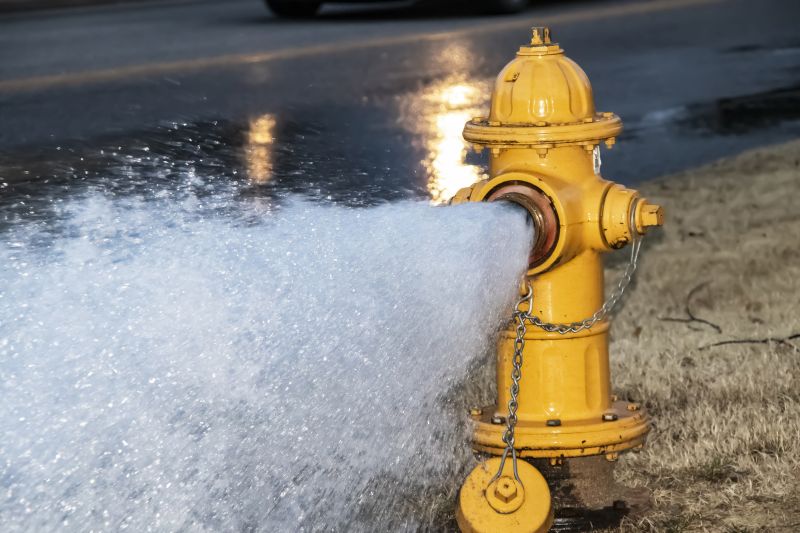
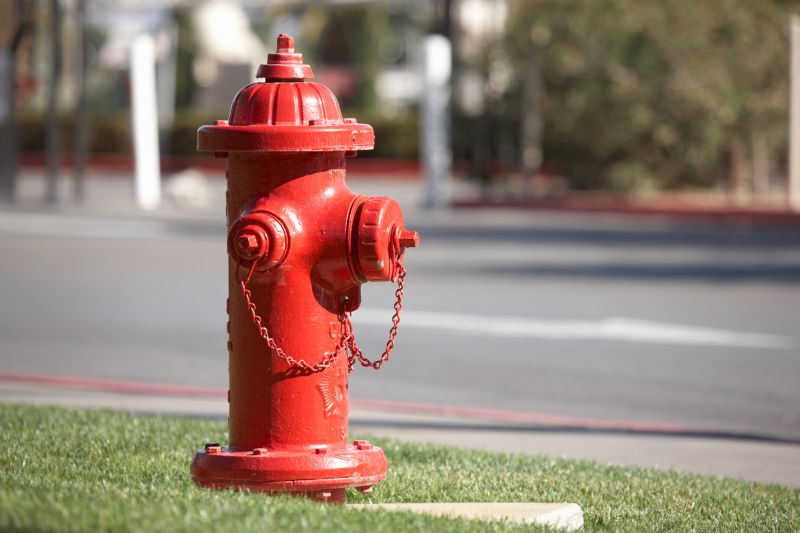
Water hydrant replacement services involve removing outdated or damaged fire hydrants and installing new, fully functional units. This process typically includes assessing the existing hydrant’s condition, excavating the area around it, disconnecting the old hydrant, and securely installing a new one that meets local standards. The work ensures that fire protection infrastructure remains reliable and effective, providing peace of mind for property owners and communities alike. Skilled service providers use specialized equipment and techniques to perform these replacements efficiently and with minimal disruption to the surrounding area.
Replacing a water hydrant can help resolve issues such as leaks, corrosion, or mechanical failures that compromise the hydrant’s performance. Over time, exposure to the elements and regular use can cause parts to wear out or become damaged, reducing water flow or causing the hydrant to malfunction during emergencies. In some cases, older hydrants may no longer meet current safety standards or local regulations. Having a professional replace a hydrant ensures the system functions properly, reducing the risk of failure when it’s most needed and maintaining the safety of nearby properties and fire response teams.
This service is commonly used for residential communities, commercial properties, industrial sites, and municipal areas that rely on fire protection systems. Properties with aging infrastructure or those experiencing frequent hydrant issues often seek replacement services. Additionally, new developments or areas undergoing infrastructure upgrades may require hydrant replacement to meet updated safety codes. Property owners and managers who notice signs of corrosion, reduced water pressure, or physical damage to existing hydrants are advised to consider replacement to ensure ongoing fire safety and system reliability.
Local contractors that specialize in water hydrant replacement can provide tailored solutions to suit different property types and needs. Whether for a single residential neighborhood or a large commercial complex, these professionals can assess the current system, recommend appropriate upgrades, and install new hydrants that align with local standards. Contacting experienced service providers ensures the work is performed correctly, helping property owners maintain effective fire protection, avoid costly repairs, and comply with safety requirements.
The overview below groups typical Water Hydrant Replacement projects into broad ranges so you can see how smaller, mid-sized, and larger jobs often compare in your area.
In many markets, a large share of routine jobs stays in the lower and middle ranges, while only a smaller percentage of projects moves into the highest bands when the work is more complex or site conditions are harder than average.
Smaller Repairs - Typical costs for minor water hydrant repairs usually range from $250 to $600. Many routine fixes fall within this band, making it a common price point for local contractors handling straightforward issues.
Partial Replacement - Replacing a water hydrant or its components generally costs between $600 and $1,200. Larger, more involved projects tend to push costs into this middle range, which is common for standard replacement jobs.
Full Hydrant Replacement - Complete replacement of a water hydrant can range from $1,200 to $3,000 depending on the scope and complexity. Projects at this scale are less frequent but represent typical costs for full system upgrades.
Large or Complex Projects - Extensive hydrant system overhauls or custom installations can exceed $5,000. Such projects are less common and usually involve additional site work or specialized equipment, leading to higher costs.
Actual totals will depend on details like access to the work area, the scope of the project, and the materials selected, so use these as general starting points rather than exact figures.
Fire Sprinkler System Installation - this project involves planning and installing complex piping networks, similar to water hydrant replacement, requiring precise layout and plumbing skills.
Underground Plumbing Repairs - repairing or replacing underground water lines shares skills in excavation, pipe fitting, and system troubleshooting with hydrant replacement services.
Municipal Water Main Replacement - upgrading or replacing city water mains involves large-scale planning, heavy equipment use, and coordination similar to hydrant system upgrades.
Irrigation System Installation - installing or repairing irrigation systems requires understanding water distribution and working with underground piping, akin to hydrant replacement tasks.
Storm Drainage System Construction - designing and installing stormwater drainage involves excavation, pipe installation, and system planning comparable to hydrant infrastructure projects.
Fire Line System Maintenance - maintaining and replacing fire lines involves pipe assessment, system planning, and installation skills similar to those used in hydrant replacement services.
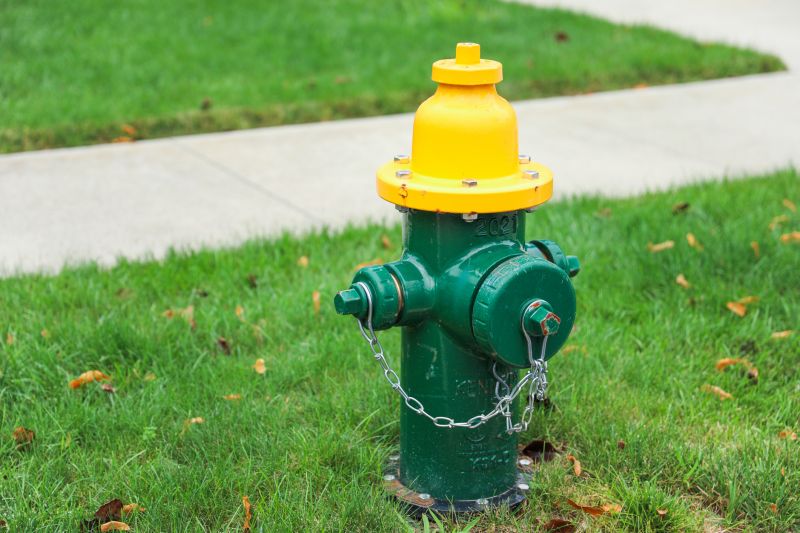
When comparing service providers for water hydrant replacement, it is important to consider their experience with similar projects. A contractor who has handled water hydrant replacements in settings comparable to your property is more likely to understand the specific challenges and requirements involved. This familiarity can contribute to a smoother process and a higher quality of work. Homeowners should inquire about the types of projects a local contractor has completed and seek those who demonstrate consistent experience in this area.
Clear written expectations are essential when evaluating potential service providers. This includes detailed descriptions of the scope of work, materials to be used, and any warranties or guarantees offered. Having a well-defined plan helps ensure that both parties are aligned on the project's goals and reduces misunderstandings. Homeowners should look for contractors who provide thorough written estimates and are willing to clarify any aspects of the work before proceeding.
Reputable references and good communication are key indicators of a reliable local contractor. References from previous clients can offer insights into the contractor’s professionalism, reliability, and quality of work. Additionally, effective communication-such as prompt responses to questions and transparent updates-can make the process more straightforward and less stressful. When comparing options, homeowners should seek service providers who are known for clear communication and positive feedback from past customers, ensuring a trustworthy partnership for the project.
Property owners use Water Hydrant Replacement services for practical projects around their homes and businesses. This guide focuses on everyday jobs and straightforward project options.
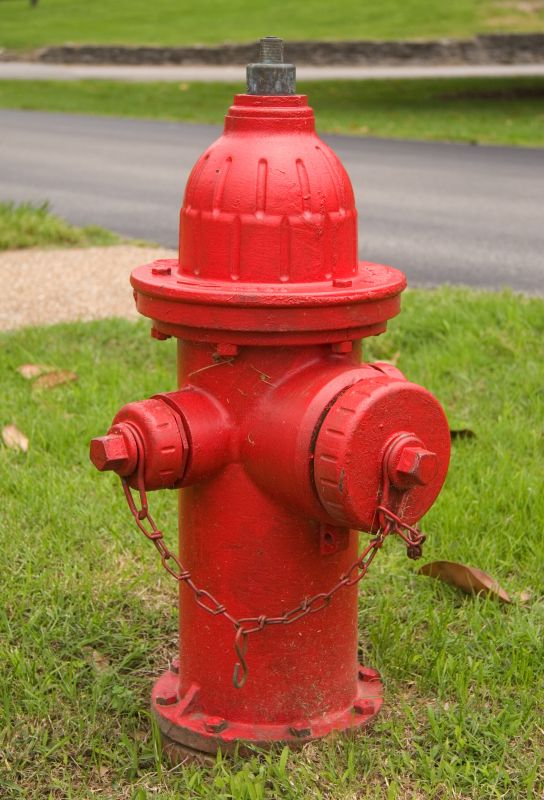
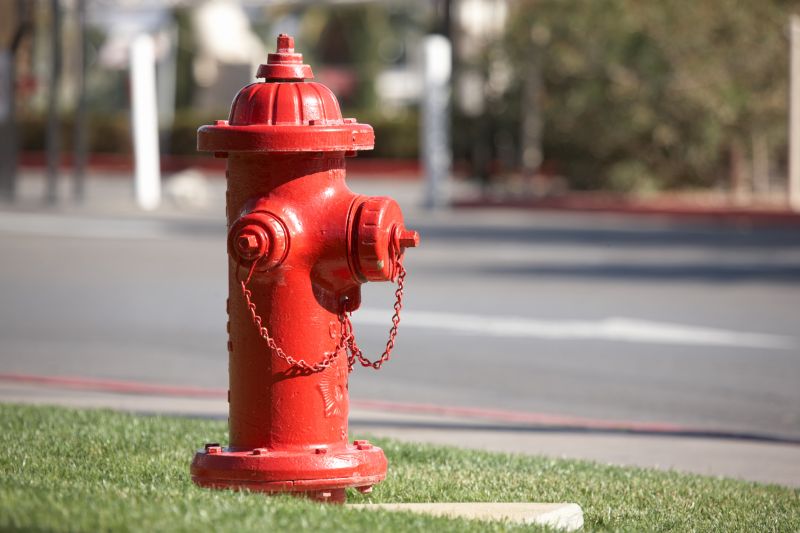
Water hydrant replacement services are often needed when existing fire hydrants become outdated, damaged, or fail to meet current safety standards. Property owners, especially those managing commercial buildings, industrial sites, or residential complexes, may seek these services to ensure reliable access to water in case of emergencies. Additionally, replacements might be necessary after severe weather events, accidental damage, or routine inspections reveal issues that could compromise fire safety or water flow.
Local contractors specializing in hydrant replacement can assist with various project situations, from upgrading aging infrastructure to installing new hydrants for expanded property development. Property owners might also look for these services when updating fire safety systems or replacing corroded or broken hydrants to maintain compliance with local regulations. Connecting with experienced service providers ensures that the work is handled efficiently and in accordance with safety standards.
What are common reasons to replace a water hydrant? Water hydrants may need replacement due to corrosion, damage, or wear that affects their functionality and safety.
How can I tell if a water hydrant needs to be replaced? Signs include persistent leaks, difficulty operating the hydrant, or visible damage that cannot be repaired effectively.
What types of water hydrants are available for replacement? There are various types, such as dry barrel and wet barrel hydrants, suitable for different applications and environments.
Are there specific considerations when replacing a water hydrant? Factors like location, usage requirements, and compatibility with existing piping are important to ensure proper replacement.
How do local contractors handle water hydrant replacement? Experienced service providers typically assess the site, remove the old hydrant, and install a new one following standard procedures for safety and durability.
Water System Maintenance - Regular hydrant replacement helps ensure reliable water flow during emergencies or routine testing.
Fire Safety Preparedness - Upgrading outdated hydrants can improve fire protection for residential or commercial properties.
Property Renovation Projects - Replacing hydrants can be part of a larger landscaping or infrastructure upgrade.
Emergency Readiness - Ensuring hydrants are functional and up-to-date supports quick response in case of fire incidents.
If you are thinking about Water Hydrant Replacement for a property, this guide is meant to help you understand the work, the typical project types, and how different options might fit your plans.
When you are ready, you can use the quote form on this page to share a few details about your project. From there, local pros can review the basics and respond with options that match what you have in mind.